
Introduction to Work Uniform Fabrics by StitchMark Uniform
Choosing the right fabric for work uniforms is essential for comfort, durability, and a professional appearance. At StitchMark Uniform, we help businesses select the most suitable uniform fabric that aligns with their work environment and brand identity.
Whether you’re outfitting employees in industrial uniforms, corporate offices, or service industries, the right material ensures better performance and long-term value.
Why Choosing the Right Fabric Matters for Workwear
The fabric you choose impacts:
- Employee comfort during long shifts
- Durability of workwear materials
- Maintenance and washing costs
- Overall brand presentation
Businesses looking for the best fabric for work uniforms must consider climate, job role, and daily usage to make the right decision.
What is Polyester Fabric? | StitchMark Uniform Guide
Polyester is a synthetic fabric widely used in work uniforms due to its durability, wrinkle resistance, and low maintenance.
Key Features of Polyester
- Strong and long-lasting material
- Wrinkle-resistant and shape-retaining
- Lightweight yet durable
- Moisture-wicking fabric properties
Benefits of Polyester for Work Uniforms
Polyester is often considered one of the most durable workwear materials because:
- It resists wear and tear in tough environments
- Dries quickly and requires minimal maintenance
- Maintains color even after repeated washing
- Ideal for industrial uniforms and outdoor workwear
For businesses asking, “is polyester good for workwear?”—the answer is yes, especially in demanding conditions.
Limitations of Polyester Fabric
- Less breathable than natural fabrics
- Can feel warm in hot climates
- Not as soft as cotton
What is Cotton Fabric? | StitchMark Uniform Insights
Cotton is a natural fabric known for its softness and breathability, making it ideal for employees working in warm environments.
Featured Uniform
Get Polo Shirt Quote Now
Custom polo shirts for your team—comfortable, durable, and branded your way.
Request Quote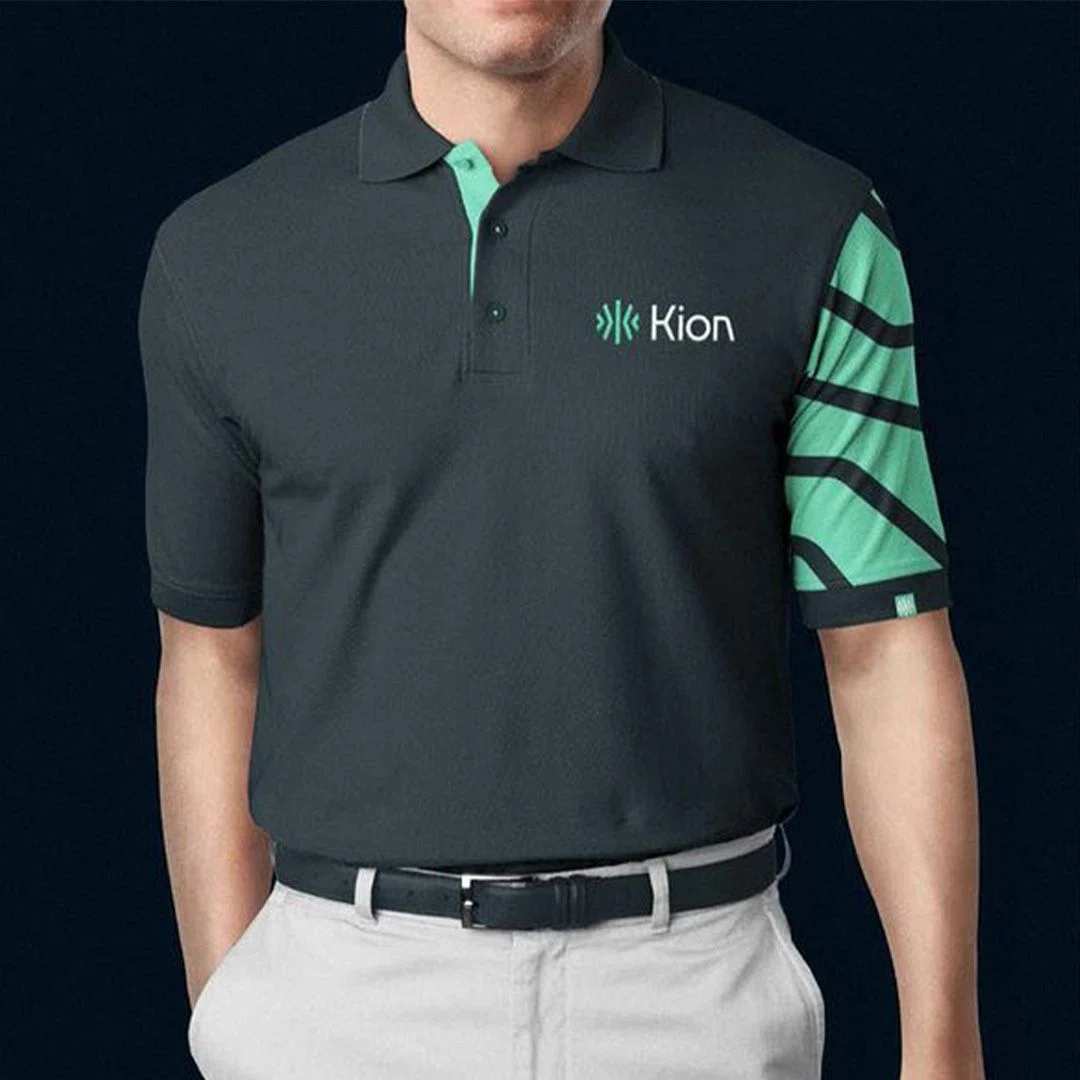
Key Characteristics of Cotton
- Soft and comfortable texture
- Highly breathable fabric
- Absorbs moisture effectively
- Eco-friendly and biodegradable
Advantages of Cotton Workwear
Cotton is perfect for breathable work uniforms because:
- Provides maximum comfort during long hours
- Gentle on the skin (skin-friendly clothing)
- Keeps employees cool in hot conditions
- Ideal for hospitality and office uniforms
Many businesses prefer cotton when comfort is the top priority.
Drawbacks of Cotton Fabric
- Wrinkles easily
- Shrinks after washing
- Less durable compared to polyester
- Requires more maintenance
What are Blended Fabrics? | StitchMark Uniform Explanation
Blended fabrics combine polyester and cotton to create a balance between durability and comfort. These are widely used in modern employee uniforms.
Types of Blends (Poly-Cotton, Tri-Blends)
- Poly-Cotton Blend – Most common, combines strength and comfort
- Tri-Blends – Include polyester, cotton, and rayon for enhanced softness
Why Blended Fabrics are Popular in Work Uniforms
Blended fabrics are considered the best blended fabric for workwear because they:
- Offer durability of polyester
- Provide comfort of cotton
- Reduce wrinkles and shrinkage
- Improve overall fabric performance
Pros and Cons of Fabric Blends
Advantages:
- Balanced material (comfort + durability)
- Easy maintenance
- Cost-effective for businesses
- Suitable for multiple industries
Disadvantages:
- Not as breathable as pure cotton
- Not as strong as pure polyester
- Quality depends on blend ratio
Featured Uniform
Get Bulk Custom Pants
Strong and comfortable work pants designed for daily performance.
Request Quote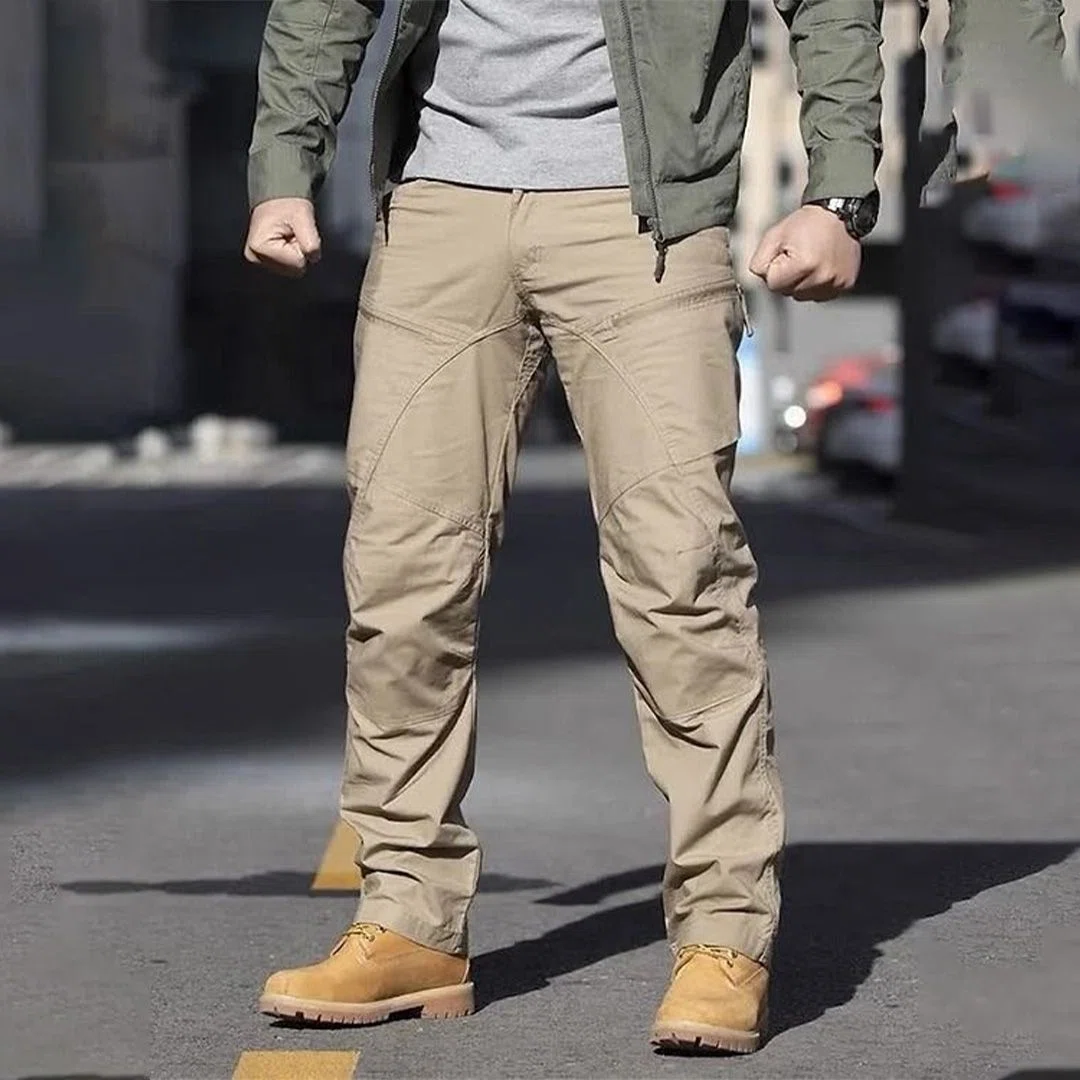
Polyester vs Cotton vs Blends: Key Differences | StitchMark Uniform Comparison
Each fabric type offers unique advantages depending on the work environment, climate, and job requirements.
Durability Comparison
- Polyester: Highest durability, ideal for heavy-duty work
- Cotton: Moderate durability, best for light work
- Blends: Balanced durability for everyday use
Comfort and Breathability
- Cotton: Most breathable and comfortable
- Blends: Moderate comfort with improved durability
- Polyester: Least breathable but performance-focused
Maintenance and Cost
- Polyester: Low maintenance and cost-effective long-term
- Cotton: Higher maintenance due to shrinking and wrinkling
- Blends: Affordable and easy to maintain
Best Use Cases for Each Fabric
- Polyester: Industrial uniforms, construction, logistics
- Cotton: Office wear, hospitality, healthcare
- Blends: Versatile use across industries
Which Fabric is Best for Your Business? | StitchMark Uniform Recommendations
The best fabric for uniforms depends on your industry and working conditions.
- Industrial & Construction: Polyester for durability
- Corporate & Office: Cotton for comfort and style
- Healthcare & Hospitality: Blends for balance
- Active Jobs: Polyester or blends for performance
Businesses looking for custom workwear solutions should consider both functionality and employee comfort.
Conclusion: Polyester vs Cotton vs Blends | StitchMark Uniform
Choosing between polyester vs cotton vs blends for uniforms depends on your specific needs.
- Polyester is best for durability and performance
- Cotton is ideal for comfort and breathability
- Blends offer the perfect balance of both
At StitchMark Uniform, we recommend blended fabrics for most businesses because they provide long-term value, comfort, and versatility.
Frequently Asked Questions
Common questions related to this article.