Bamboo
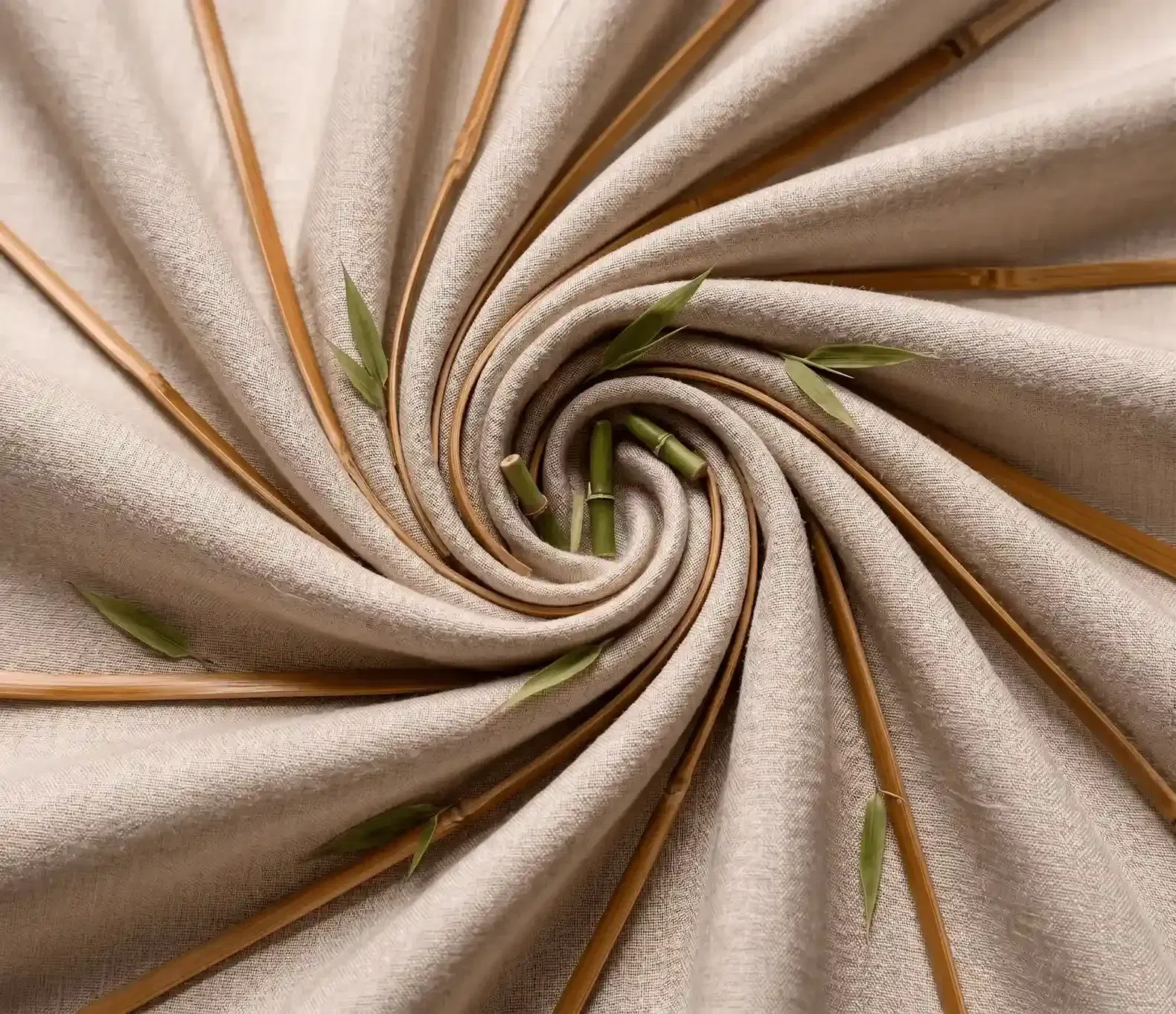
Bamboo fabric is a sustainable cellulose textile with cashmere-like softness, natural antibacterial properties, and superior moisture-wicking. Available from 160-300 GSM in viscose, lyocell, and blended options for eco-conscious apparel lines.
Bamboo fabric is produced from the pulp of fast-growing bamboo - a crop that regenerates without pesticides and absorbs more CO2 than equivalent timber. The resulting fiber delivers a silky, cashmere-like softness with built-in performance: natural antibacterial action, strong moisture-wicking, and thermo-regulation. For brands, bamboo is the flagship material for sustainable basics and premium comfort lines.
Available GSM Options
- 140 - 160 GSM: Lightweight jersey for summer tees and underwear
- 160 - 200 GSM: The standard for premium t-shirts and basics
- 200 - 240 GSM: Midweight knits for loungewear and dresses
- 240 - 300 GSM: French terry and fleece for hoodies and joggers
- Bamboo-Spandex 95/5 at 180 - 220 GSM: Stretch fits for underwear and fitted tops
Popular Bamboo Variants
- Bamboo Viscose: The most common type with maximum softness
- Bamboo Lyocell: Closed-loop, eco-certified processing for green credentials
- Bamboo-Cotton (70/30): Added structure and durability for everyday wear
- Bamboo Charcoal Fabric: Enhanced odor control for activewear and socks
- Bamboo French Terry: Plush loop-back knit for premium loungewear
Key Features
- Exceptionally soft - often compared to cashmere and silk
- Naturally antibacterial and odor resistant
- Wicks moisture and dries faster than cotton
- Thermo-regulating - cool in summer, cozy in winter
- Hypoallergenic, renewable, and biodegradable
Commercial Applications
- Premium t-shirts, underwear, and everyday basics
- Loungewear, sleepwear, and athleisure lines
- Baby clothing and sensitive-skin apparel
- Socks, towels, and bedding collections
Printing and Customization
Bamboo viscose prints beautifully with reactive dyes and water-based screen printing, which preserve its soft hand feel - a natural pairing with eco-friendly brand messaging. It also supports clean, dense embroidery for logos.
Care Instructions
Machine wash cold on gentle with mild detergent and air dry or tumble low. Avoid bleach and fabric softeners, which coat the fibers and reduce natural wicking. Properly cared for, bamboo retains its softness for the life of the garment.
Frequently Asked Questions
Common questions about Bamboo.